Tree Topping vs Tree Pruning – Why It Matters for Long-Term Tree Health
Tree Topping vs Pruning – What’s Best for Your Trees?
When trees grow too tall, spread too wide, or start to look out of control, it’s natural to want a quick fix. Homeowners may search for ways to "cut trees back" or reduce size, but not all techniques are created equal. Two terms often used—tree topping and tree pruning—may sound similar, but they have very different outcomes.
Understanding the difference between topping and pruning is important if you want to maintain healthy trees, protect your property, and avoid costly damage down the road.
What Is Tree Topping?
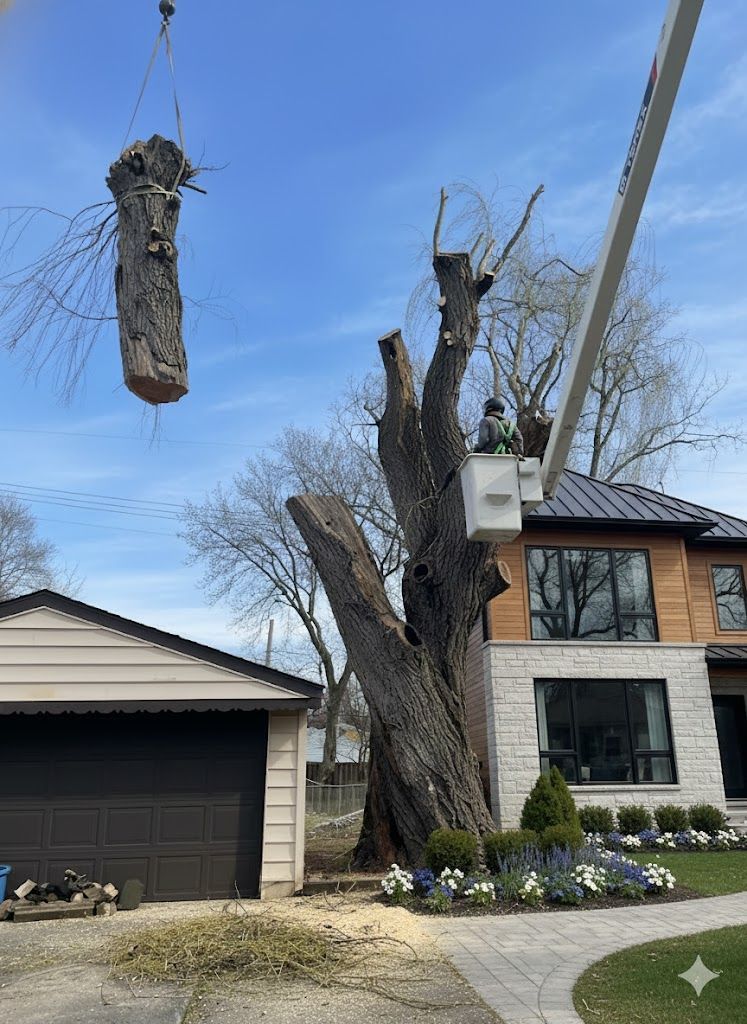
Tree topping is the practice of cutting back the upper portion of a tree, often removing large limbs or the entire top of the main trunk. It’s typically done to reduce height or control spread—but the method is highly damaging.
Topping is sometimes referred to as "heading," "stubbing," or "hat-racking." In most cases, it involves cutting branches down to stubs without regard for natural growth patterns, branch structure, or tree health.
Unfortunately, this technique often results in:
- Severe stress to the tree
- Increased vulnerability to disease and decay
- Weak, fast-growing sprouts that are more likely to break
- An unnatural, unsightly appearance
- A shortened lifespan for the tree
Despite being discouraged by certified arborists and industry standards, tree topping is still offered by some untrained or low-cost contractors looking for quick results.
What Is Tree Pruning?
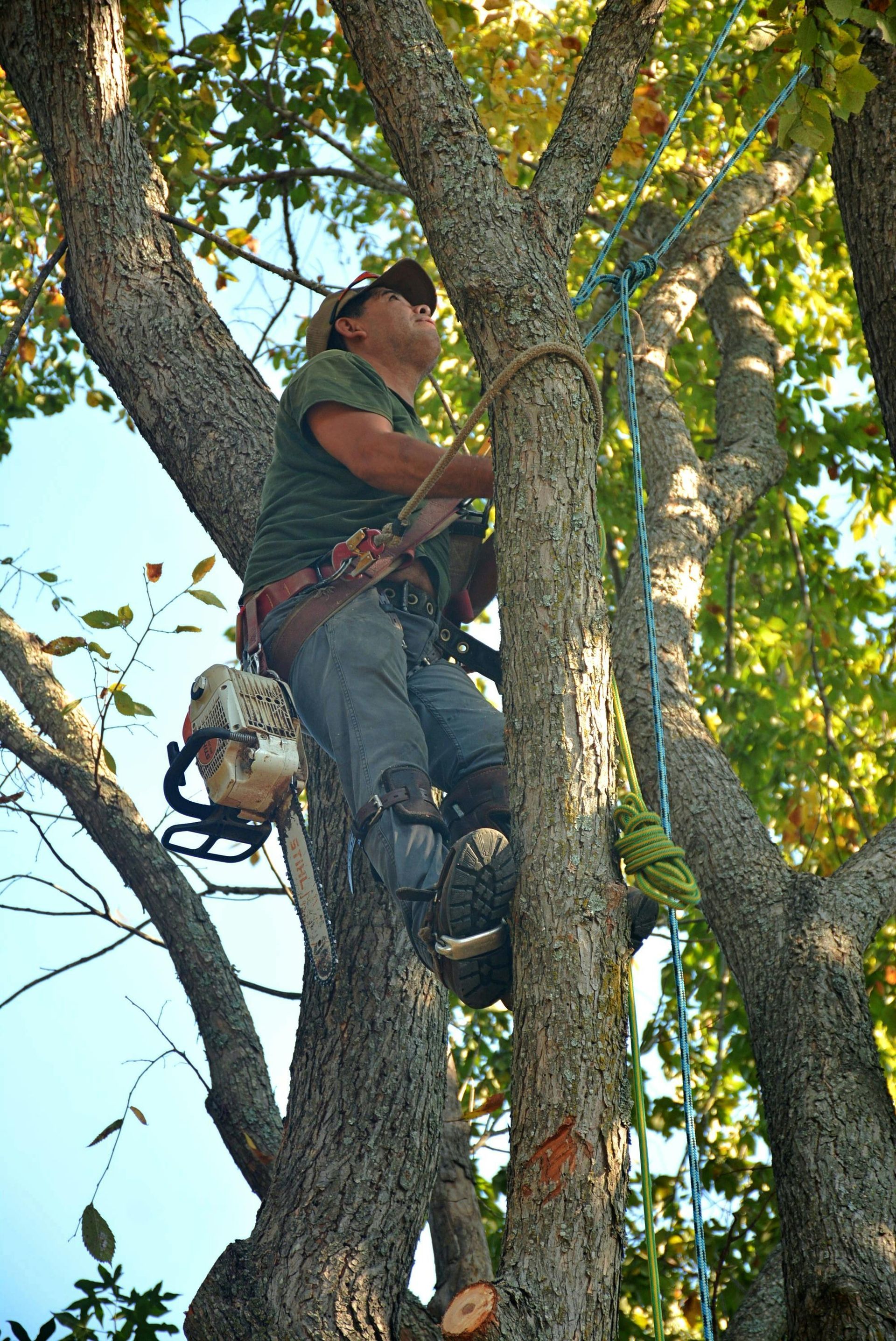
Tree pruning is a controlled, selective process designed to maintain the health, safety, and structure of a tree. Unlike topping, pruning follows specific techniques that consider the biology of the tree and encourage healthy regrowth.
Professional pruning includes:
- Removing dead, damaged, or diseased limbs
- Thinning the canopy for light and air flow
- Shaping for balance and structure
- Reducing branch weight to prevent splitting
- Improving clearance around structures or power lines
Pruning helps trees grow stronger and more stable over time. When done correctly, it enhances the tree’s natural form without compromising its ability to produce energy through its leaves.
Why Topping Harms Trees
Topping a tree causes more harm than good—often leading to permanent damage or the need for full removal within a few years.
Here’s what happens when a tree is topped:
1. Starvation
Topping removes a large portion of the tree’s leaves, which are critical for photosynthesis. Without leaves, the tree can’t produce enough energy to maintain its structure or fight off stress.
2. Shock and Sunburn
Exposed branches and bark that were once shaded are suddenly exposed to direct sunlight. This can result in sunscald, bark damage, and increased susceptibility to pests and disease.
3. Weak Regrowth
In an effort to survive, the tree produces fast-growing shoots near the cuts, known as "water sprouts." These shoots are weakly attached and prone to breaking, creating ongoing safety risks.
4. Higher Maintenance
Topped trees require frequent intervention as new growth becomes unstable. Over time, the cycle repeats—causing more stress and driving up long-term maintenance costs.
5. Risk of Tree Death
In many cases, topped trees cannot recover. The combined stress, decay, and structural failure lead to decline and eventual death, often requiring full removal.
Common Myths About Tree Topping
Many homeowners are led to believe topping is a normal or effective tree care solution. Here are a few common misconceptions—and the truth behind them:
"Topping makes the tree safer."
False. While it may temporarily reduce height, the weak regrowth is more likely to break in storms and becomes dangerous quickly.
"It’s the only way to keep the tree from getting too big."
False. Proper pruning techniques can reduce size or spread over time without causing structural damage.
"The tree will grow back better."
False. The fast-growing sprouts that emerge after topping are not healthier. They’re a sign of stress and are structurally weaker.
"It’s cheaper than proper pruning."
Temporarily, yes. But the long-term costs—more maintenance, higher risk, and early removal—quickly outweigh any upfront savings.
Why Proper Pruning Is the Better Choice
Tree pruning focuses on long-term health and safety. When done by trained professionals, pruning:
- Reduces the risk of falling limbs
- Improves structure and appearance
- Maintains healthy growth
- Extends the life of the tree
- Encourages stronger branch development
For large or mature trees, strategic pruning may be done gradually over several years to safely reduce size without overwhelming the tree’s natural system.
In addition to aesthetics, pruning also supports environmental benefits. Healthy trees provide shade, improve air quality, and support biodiversity—all of which are compromised when topping occurs.
Best Practices for Pruning Trees in Michigan
Michigan’s climate, seasonal storms, and diverse tree species mean pruning should be carefully timed and tailored to the specific tree.
- Late winter or early spring is ideal for most tree species. The tree is dormant, and pruning encourages strong spring growth.
- Summer pruning may be appropriate to correct structural issues or remove broken limbs after storms.
- Fall pruning is typically avoided, as wounds heal more slowly and increase the risk of disease.
Flowering trees should be pruned after blooming to avoid removing next season’s flower buds. Species like maple and birch, which tend to bleed sap in late winter, may be better pruned in midsummer.
A certified arborist or experienced tree technician will know the right timing and methods for each species on your property.
FAQs About Tree Topping and Pruning
Is topping ever acceptable?
No. Topping is considered harmful and unnecessary in nearly all situations. If a tree is too large for its space, pruning or removal may be more appropriate.
Can a topped tree recover?
Some trees may recover over time with proper care, but many will suffer long-term damage. If your tree has already been topped, consult a professional to assess its condition.
How can I reduce the tree size without topping?
Crown reduction or selective branch removal can reduce height and spread safely. These methods maintain the tree’s structure and health.
Does pruning stop a tree from growing taller?
No, but it can slow growth and guide development. Trees continue to grow as long as they’re healthy. Strategic pruning helps manage that growth.
How do I know if a contractor is topping trees?
Ask about their methods. A reputable company will never recommend topping and should follow ANSI A300 standards for tree care.
Call Spears Tree Expert Inc. for Safe, Professional Tree Pruning
If you’re concerned about a large or overgrown tree on your property, avoid the temptation to top it. Spears Tree Expert Inc. provides safe, knowledgeable tree pruning services throughout Plymouth and surrounding areas.
Our team uses industry-standard techniques that protect your trees, improve safety, and maintain natural beauty. Whether you need seasonal maintenance or help with a specific concern, we’re here to provide expert guidance and honest recommendations.
Contact us today to schedule a free on-site assessment or visit https://spearstree.com to learn more about our services.
Proudly serving Plymouth, Canton, Northville, and nearby communities