
How to Tell If a Tree Needs to Be Removed or Just Trimmed
The Key Signs to Tell If a Tree Needs to Be Removed or Just Trimmed

When a tree on your property starts looking overgrown, unhealthy, or potentially hazardous, it can be difficult to decide whether it should be trimmed or completely removed. Tree trimming and tree removal serve very different purposes, and knowing which one is appropriate could save you money, improve your yard’s safety, and help preserve the health of your landscape.
In this article, we’ll explore how to evaluate your tree’s condition, what signs to look for, and how a local expert can help you make the right choice.
The Difference Between Tree Trimming and Tree Removal
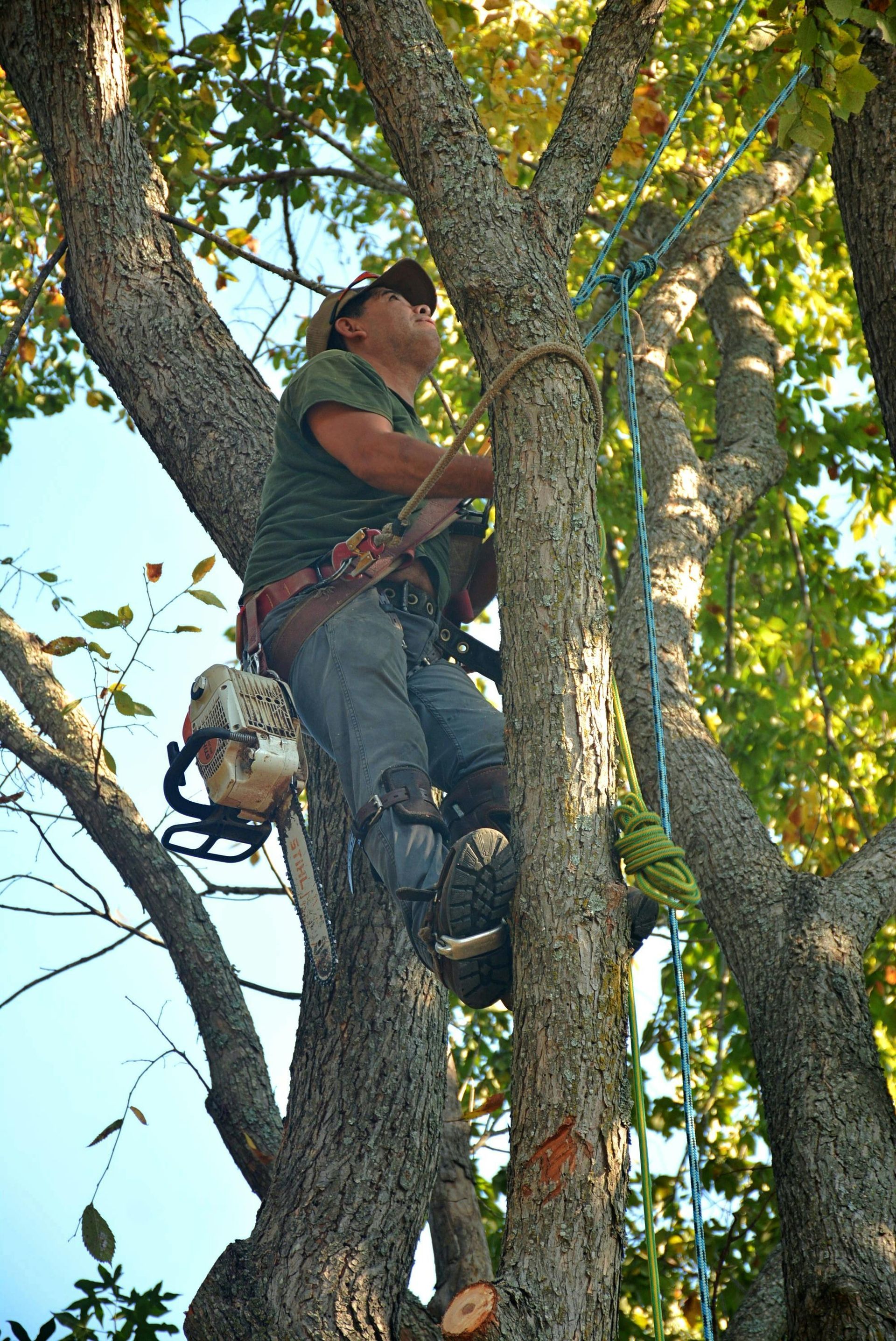
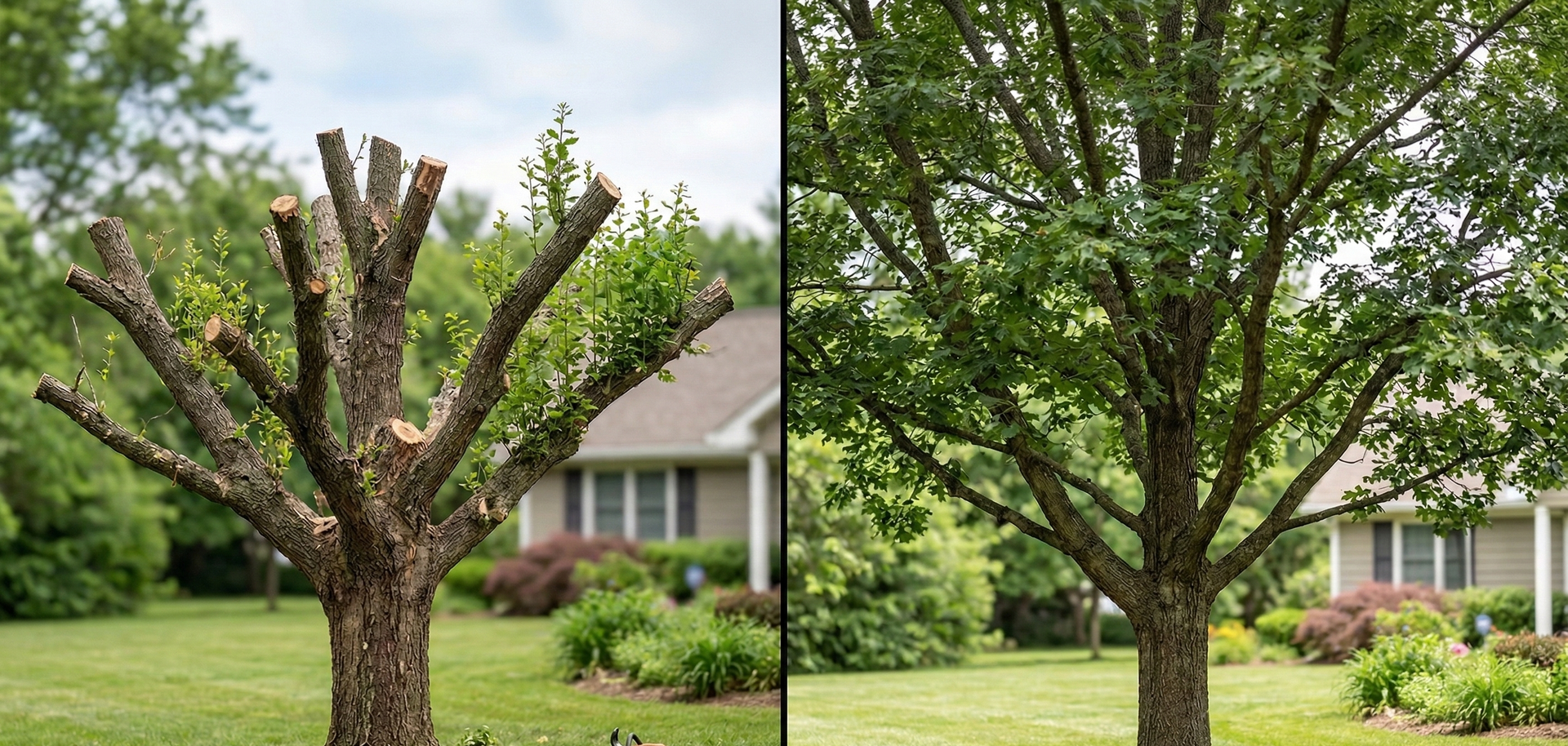
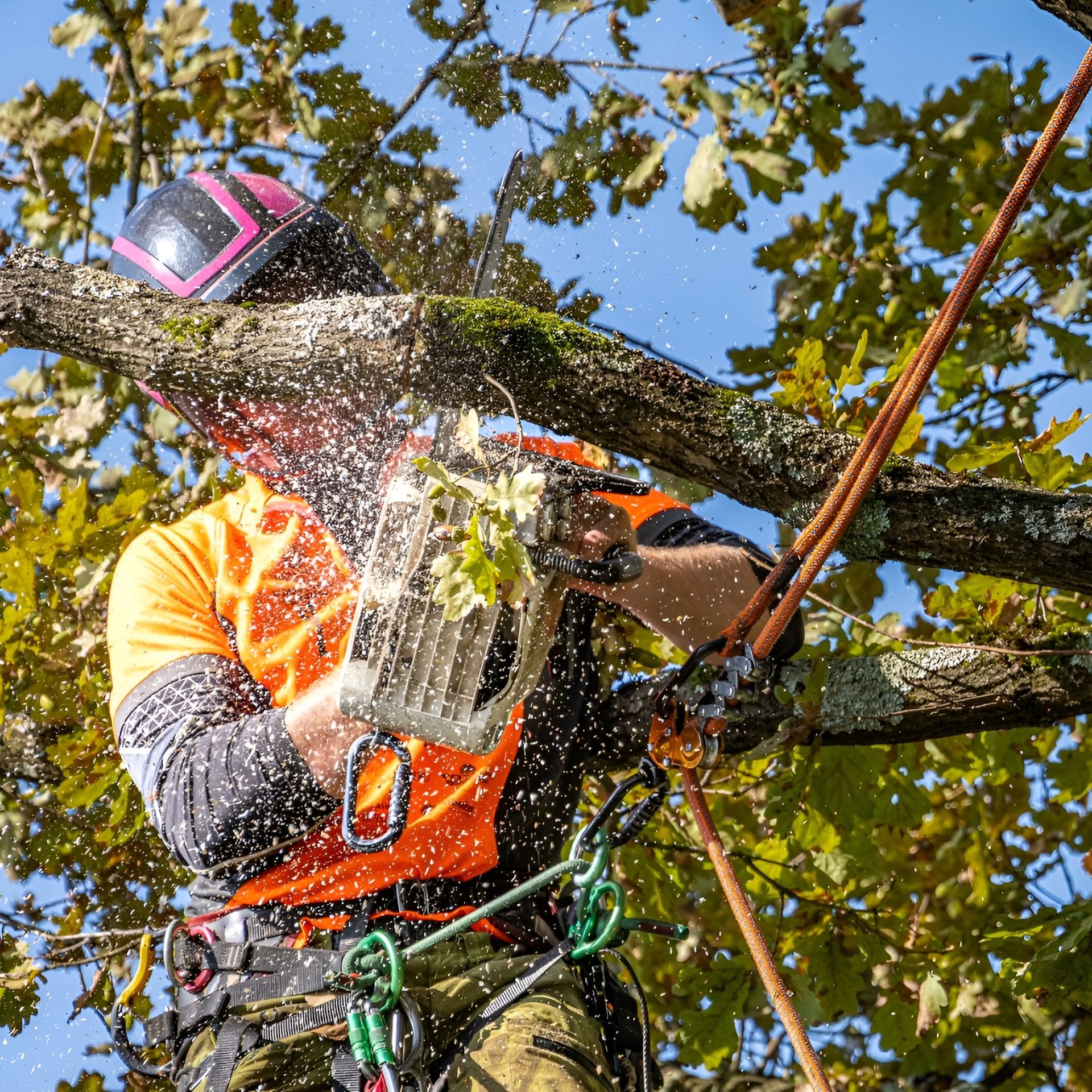
Tree trimming—also known as pruning—is a routine maintenance service that involves selectively cutting back branches to improve the tree’s structure, health, or appearance. It's a proactive way to:
- Remove dead or diseased limbs
- Improve airflow and sunlight penetration
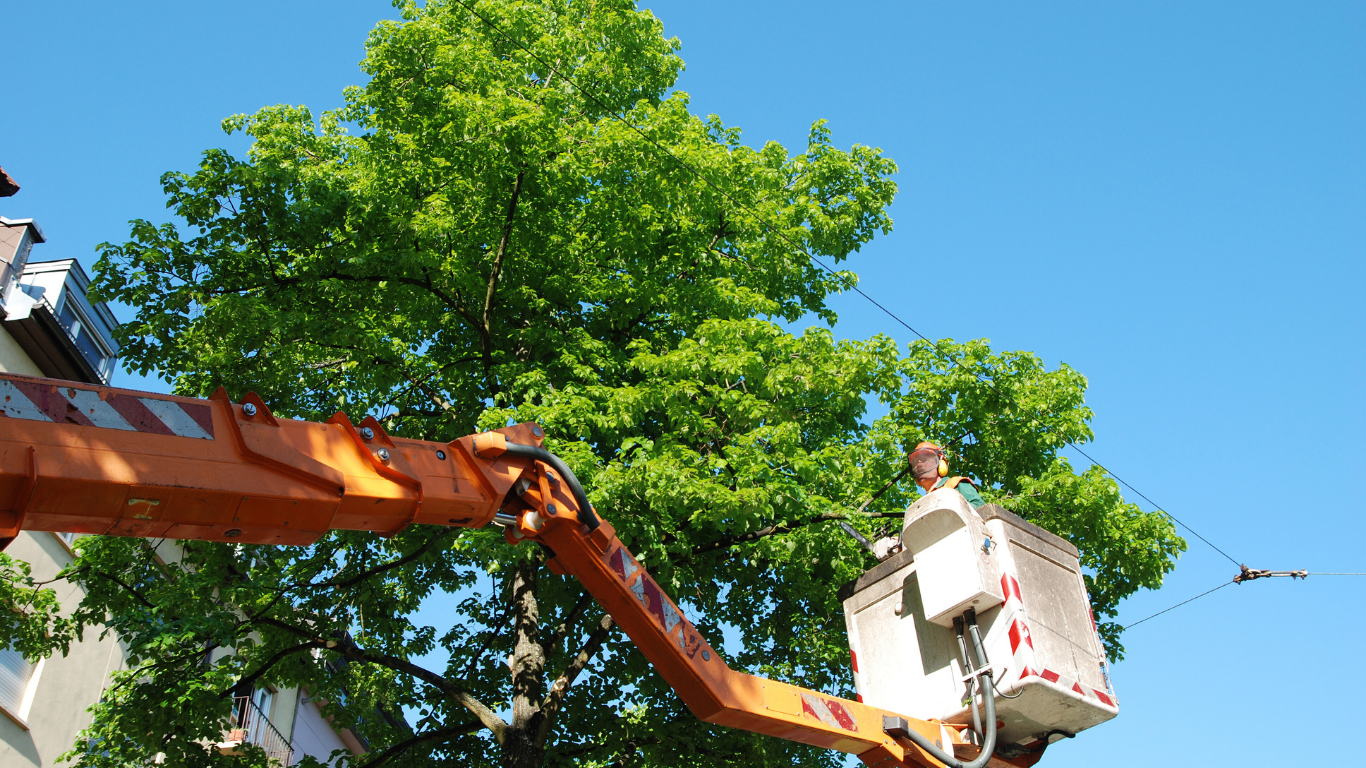
- Prevent overgrowth near power lines or your home
- Promote stronger, more balanced growth
- Reduce the risk of damage during storms
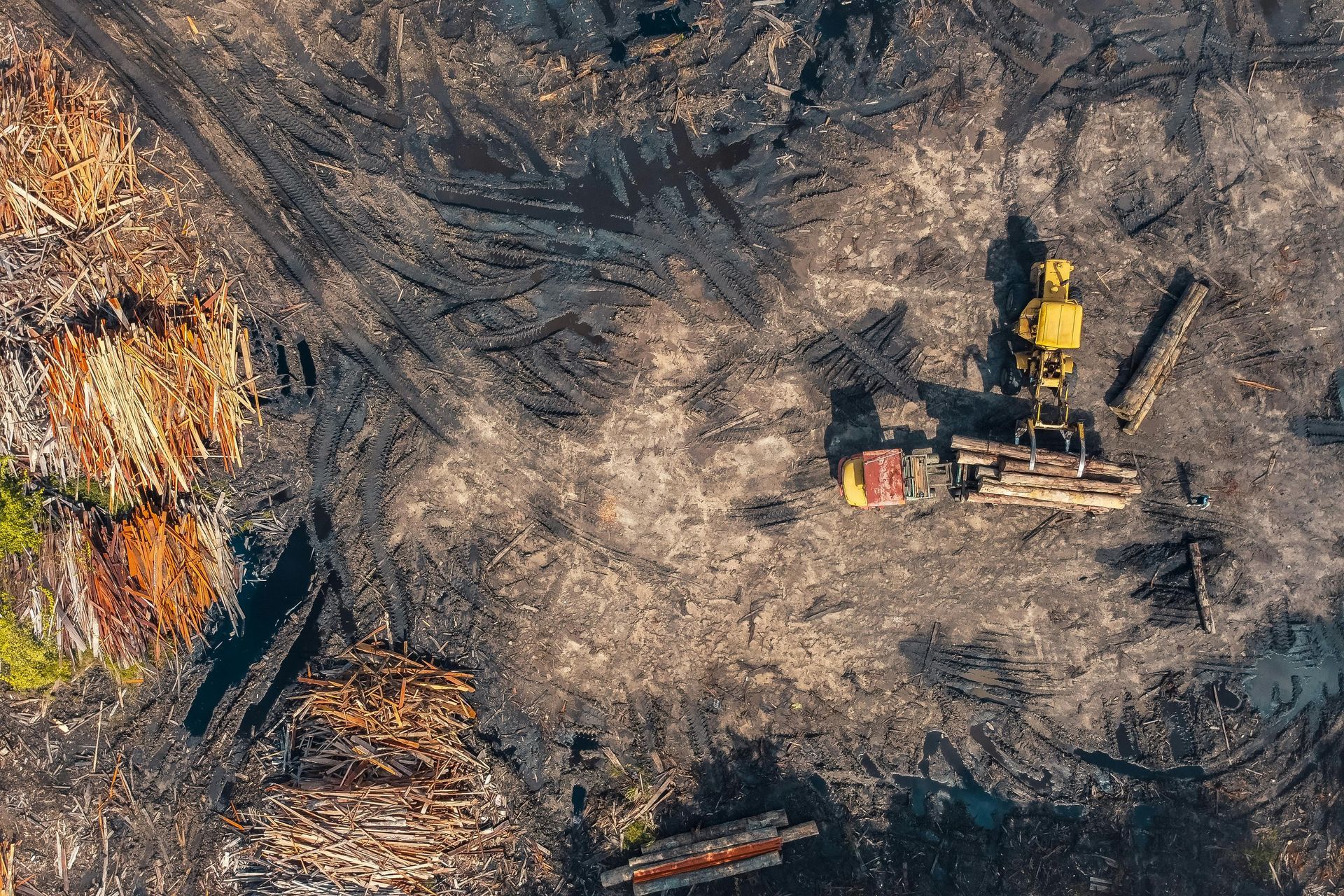
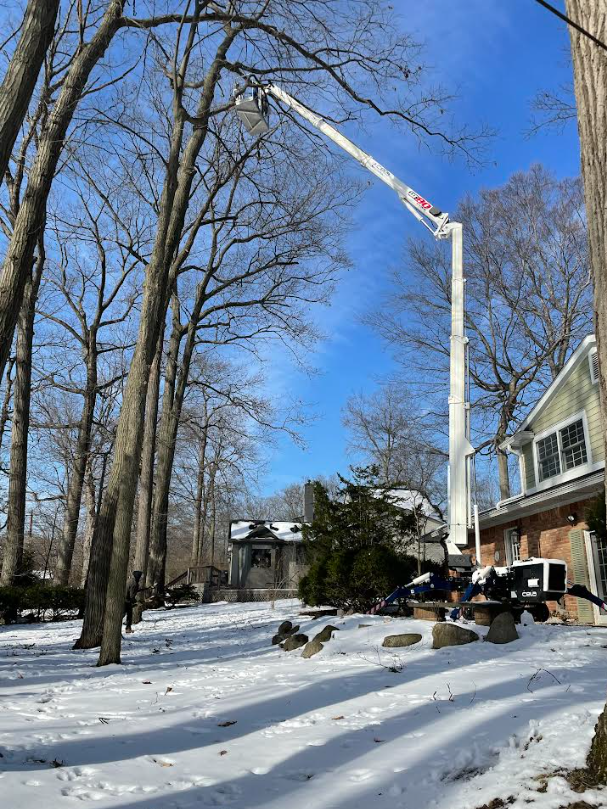
Tree removal, by contrast, is a full elimination of the tree, from the top down. It’s typically used as a last resort when the tree becomes a safety hazard, is no longer viable, or interferes with property use.
Both services are essential parts of long-term landscape management, but choosing the right one depends on the specific condition and location of the tree.
Signs That a Tree May Only Need Trimming
In many cases, trimming is sufficient to address problems and extend the life of your tree. Here are some common signs that pruning might be the right solution:
- Branches are dead, hanging low, or scraping the roof
Removing selected limbs can reduce risk and prevent property damage. - The tree is overgrown but otherwise healthy
Routine trimming can restore a clean shape and prevent interference with other plants, fences, or structures. - The canopy is too thick
If sunlight isn’t reaching your lawn or lower plants, thinning the crown can increase light and air circulation. - Minor storm damage
Trees that have lost a few branches during high winds may still be structurally sound and recoverable. - Touching utility lines or gutters
Branches growing too close to wires or roofing can often be cut back safely without harming the tree itself. - The tree leans slightly but has a strong root system
A professional can often rebalance the tree with strategic pruning, especially if caught early.
Regular trimming is one of the best investments you can make in tree health, especially for mature trees in tight urban or suburban lots like those common in Plymouth, MI.
Signs That Tree Removal May Be Necessary
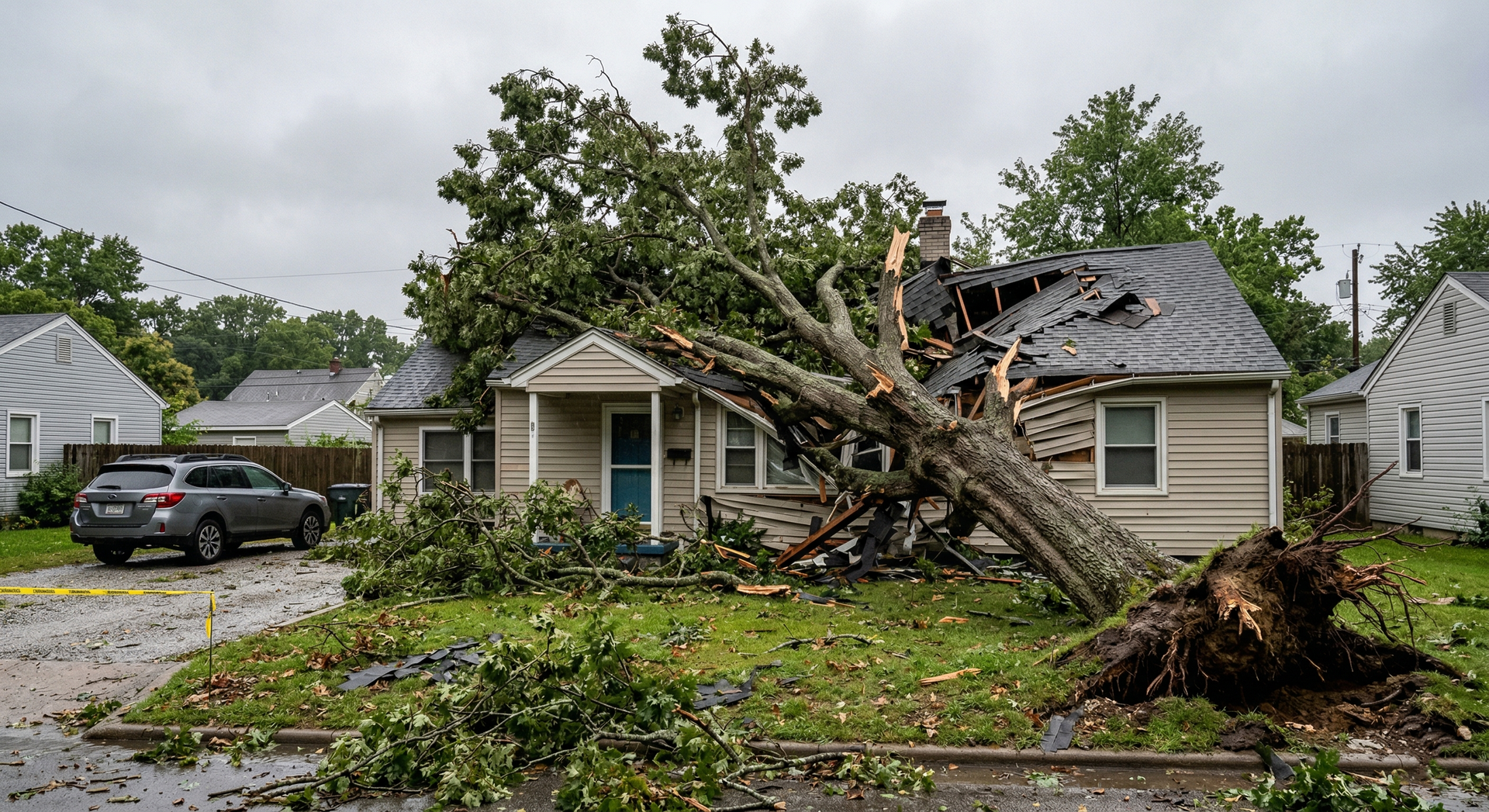
There are situations where tree removal is the safer, more responsible option—especially if the tree poses a danger to people or property.
Here are signs that a tree might need to be removed entirely:
- The tree is dead or nearly dead
No leaves in spring, brittle limbs, and decaying bark are signs that the tree can’t be revived. - The trunk has deep cracks, cavities, or rot
Structural failure in the main trunk often means the tree is no longer safe to leave standing. - It’s leaning significantly, especially if the lean developed suddenly
This is a red flag that the root system is failing and the tree could fall unexpectedly. - The roots are lifting sidewalks or damaging your home’s foundation
Invasive or aggressive root systems can create long-term problems and are difficult to manage once they take hold. - It’s crowding other healthy trees or blocking construction plans
Sometimes trees need to be removed to make way for home additions, driveways, or landscape redesigns. - There are signs of infestation or disease that cannot be treated
Advanced fungal infections or pests like emerald ash borer can kill trees from the inside out.
In these cases, trimming won’t fix the problem—and leaving the tree in place can create bigger issues down the road.
Safety Considerations
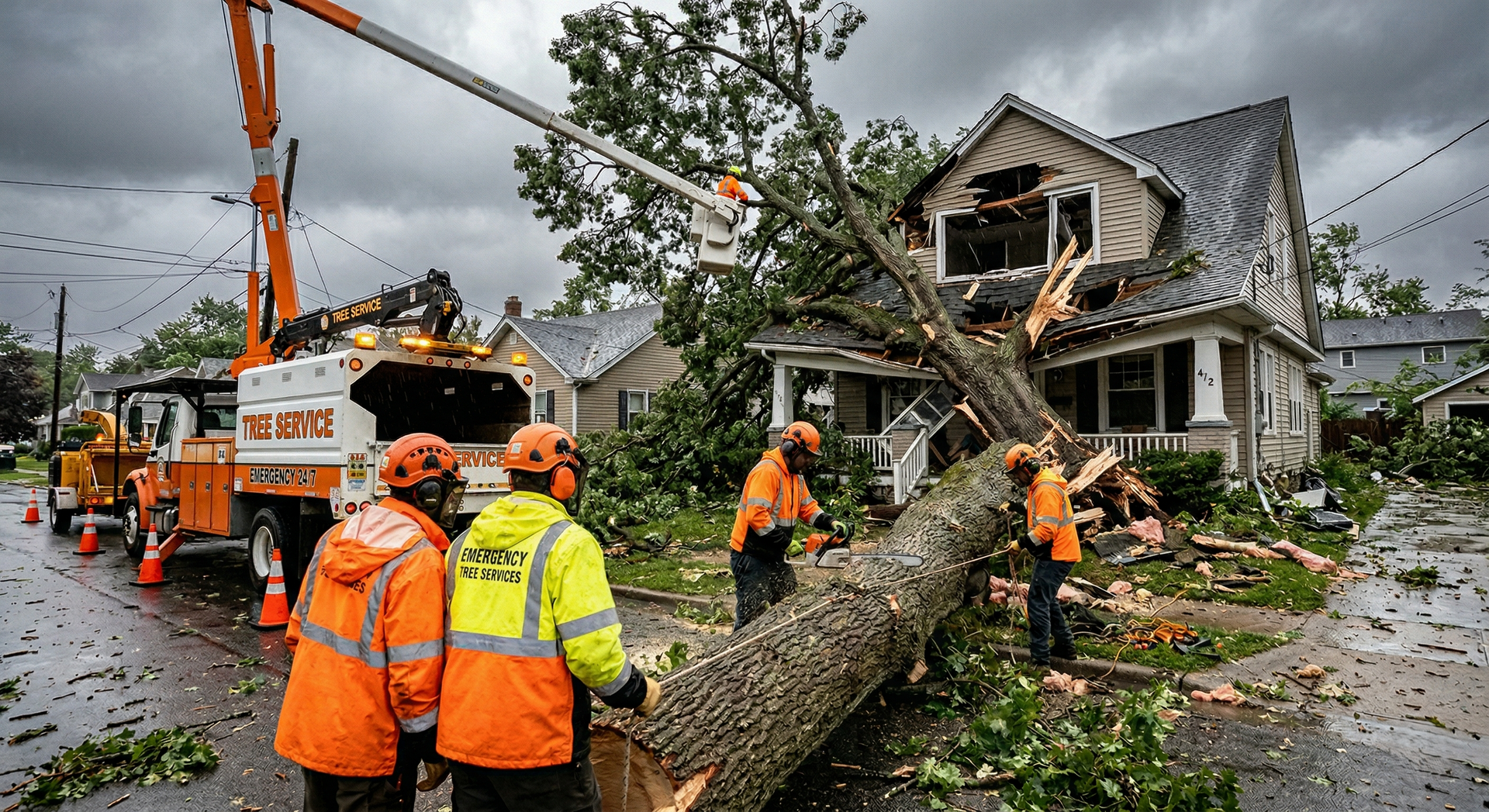
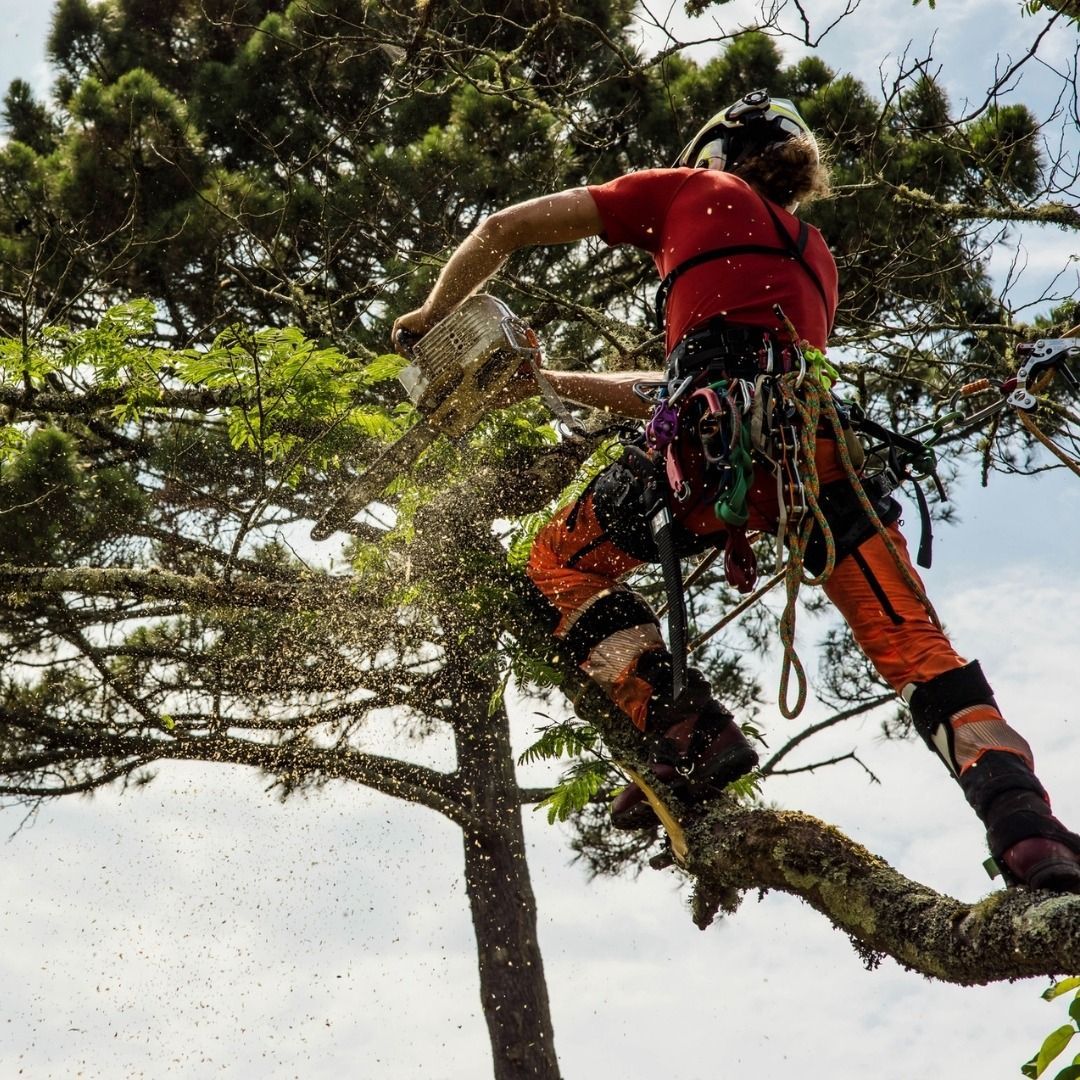
Safety is one of the most important reasons to call in a professional for either trimming or removal. Even a small tree can weigh hundreds of pounds, and falling limbs or unstable trunks can cause serious damage.
A trained tree expert knows how to assess risk, use proper safety gear, and manage tree structures with precision. In areas like Plymouth where homes, fences, power lines, and landscaping are often nearby, experience matters.
At Spears Tree Expert Inc., our team is trained to evaluate each tree carefully and provide recommendations based on safety, tree health, and your long-term property goals.
Why Getting a Professional Tree Assessment Matters
It’s not always easy to tell whether a tree is beyond saving just by looking at it from the ground. A certified arborist or experienced tree technician can inspect key features that homeowners often miss:
- Trunk and bark integrity
- Root system stability
- Internal decay
- Branch attachment strength
- Leaf density and color
- Soil conditions around the base
With a detailed assessment, you’ll know whether the tree can be preserved through trimming or needs to be removed for safety and long-term value.
We always start with a no-obligation quote and an honest recommendation. If the tree can be saved, we’ll tell you. If it’s time to remove it, we’ll walk you through what to expect.
FAQs About Tree Trimming vs. Tree Removal
How often should I trim my trees?
Most trees benefit from pruning every 2 to 3 years. Fast-growing trees or those near structures may require more frequent maintenance.
Can I trim or remove a tree myself?
Tree trimming can be risky without the right tools and training, especially when working at height. Tree removal should always be handled by professionals due to the safety hazards involved.
Will trimming make my tree grow faster?
Proper pruning can stimulate healthy growth and improve the tree’s structure, especially when done during the right season.
What if I’m not sure which service I need?
Schedule a free assessment. A professional will examine your tree and provide clear recommendations based on condition, location, and goals.
Does tree trimming prevent storm damage?
Yes. Pruning removes weak or dead branches and balances the canopy, which helps trees withstand wind and heavy snow more effectively.
Call Spears Tree Expert Inc. for Expert Advice
If you're unsure whether your tree should be trimmed or removed, let Spears Tree Expert Inc. help. We provide honest, experienced guidance and professional service to homeowners across Plymouth and the surrounding areas.
Our team will assess your trees, explain your options, and recommend the safest and most cost-effective path forward—whether that’s pruning for health or removal for safety.
Contact us today to schedule your free on-site estimate. Visit https://spearstree.com or call now to speak with a local tree expert.
Proudly serving Plymouth, Canton, Northville, and nearby Michigan communities.