
Top Benefits of Regular Tree Pruning for Michigan Homeowners
The Importance of Tree Pruning in Michigan

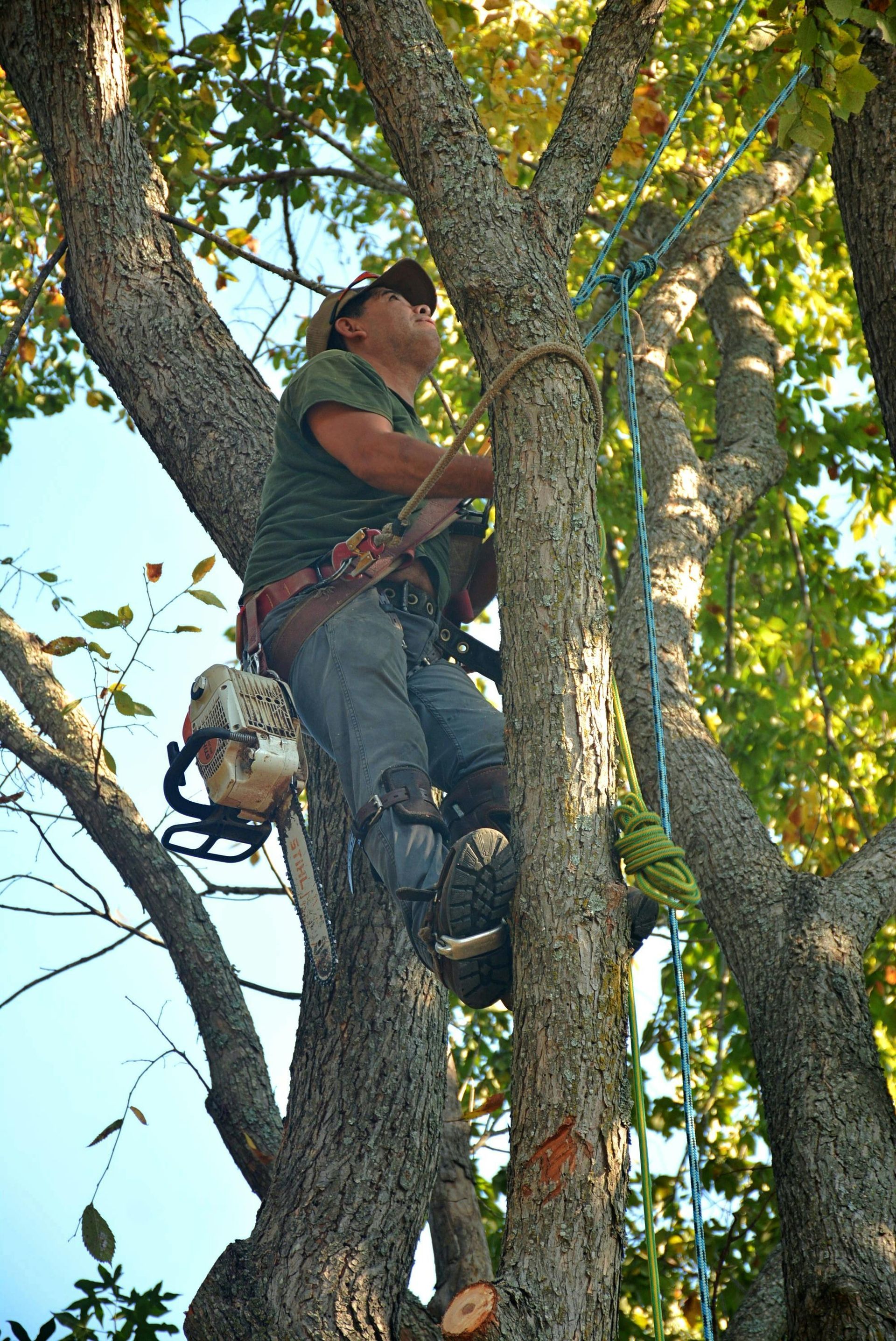
Tree pruning is one of the most important—and often overlooked—parts of responsible property maintenance. Whether you live in Plymouth, Canton, or anywhere else in Southeast Michigan, keeping your trees healthy, safe, and well-shaped requires routine care. While many homeowners think of pruning as a cosmetic task, the truth is that it plays a vital role in preventing damage, improving tree longevity, and keeping your property looking its best.
If you’ve ever wondered whether pruning is worth the time or investment, this guide will walk you through the key benefits, best timing, and professional tips for Michigan’s unique climate.
What Is Tree Pruning?
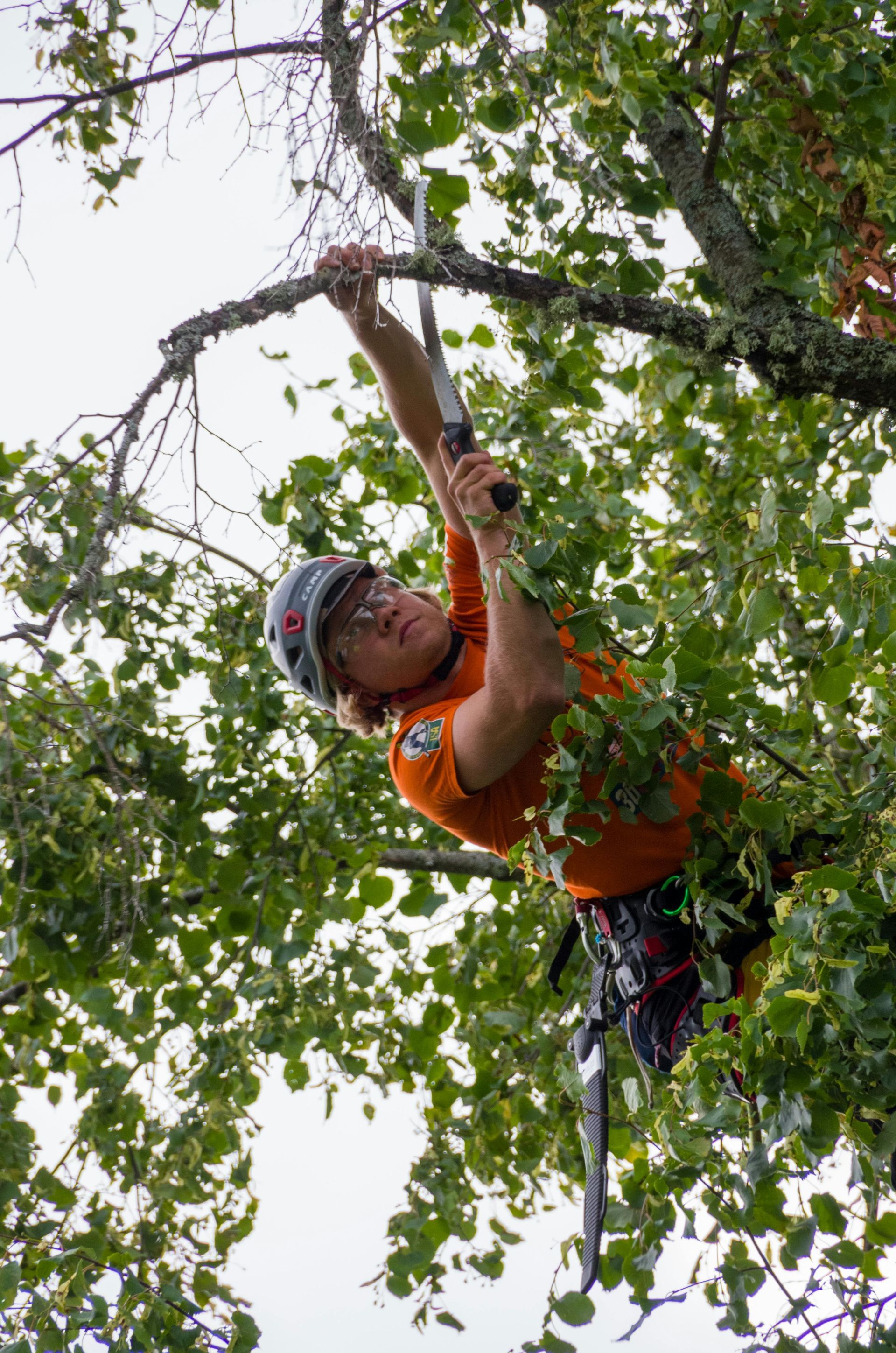
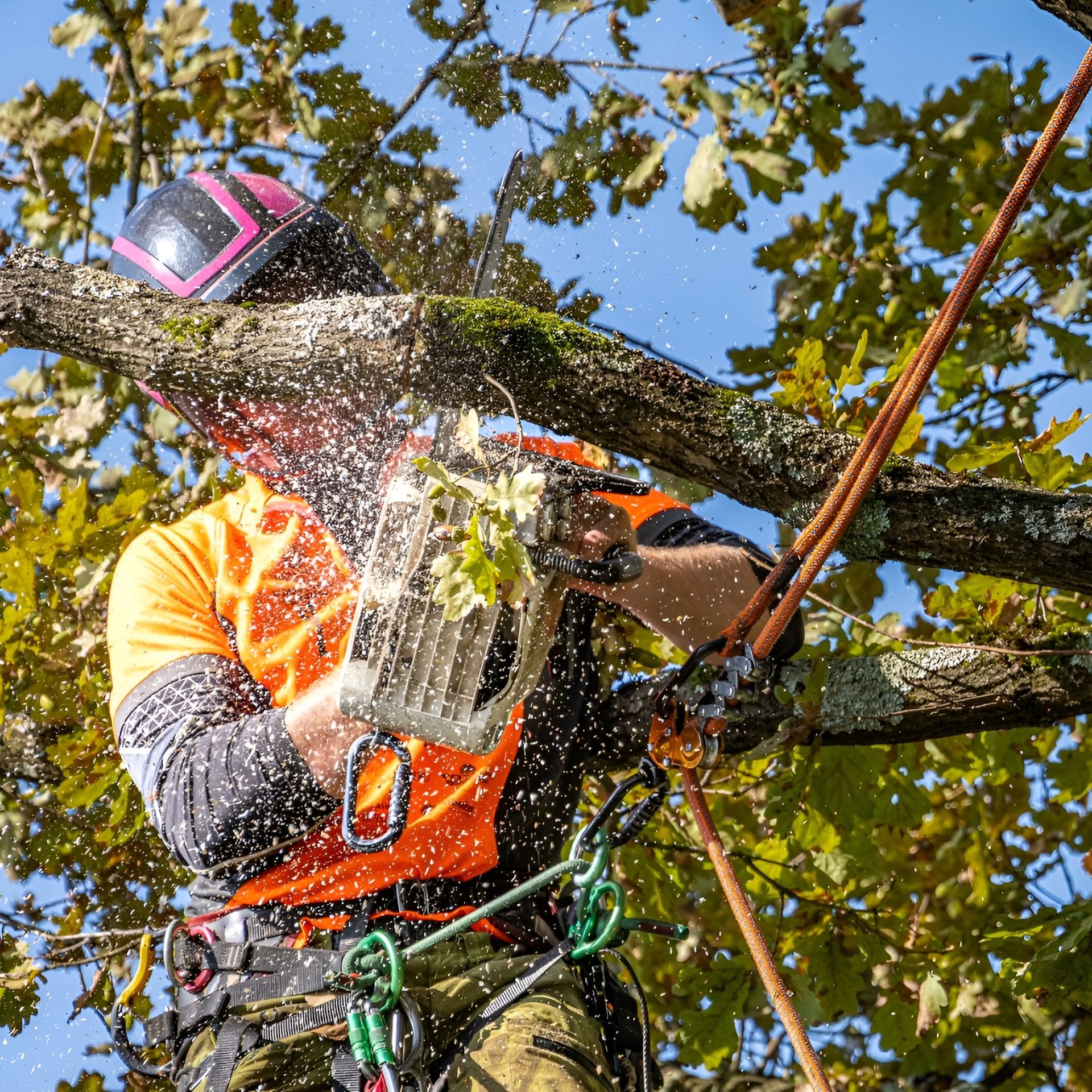
Tree pruning involves the selective removal of branches to improve the health, structure, and appearance of a tree. It’s more than just trimming overgrowth—it’s a strategic process that helps shape growth patterns, eliminate hazards, and strengthen the overall tree.
There are several different types of pruning, depending on your goals:
- Thinning: Removes select branches to reduce weight and improve airflow
- Cleaning: Removes dead, diseased, or damaged limbs
- Raising: Lifts the canopy for better clearance and visibility
- Reduction: Reduces the height or spread of a tree without damaging the structure
- Shaping: Improves symmetry and appearance, especially for ornamental trees
When done correctly, pruning supports long-term health and protects your home, yard, and nearby plants.
Why Regular Pruning Matters in Michigan
Michigan's changing seasons can be tough on trees. From heavy snow and ice in winter to strong winds in spring and intense storms in summer, trees face constant pressure. Regular pruning helps prepare them for these environmental stressors while reducing the risk of structural failure or disease.
For homeowners in the Plymouth area, pruning is especially useful for managing:
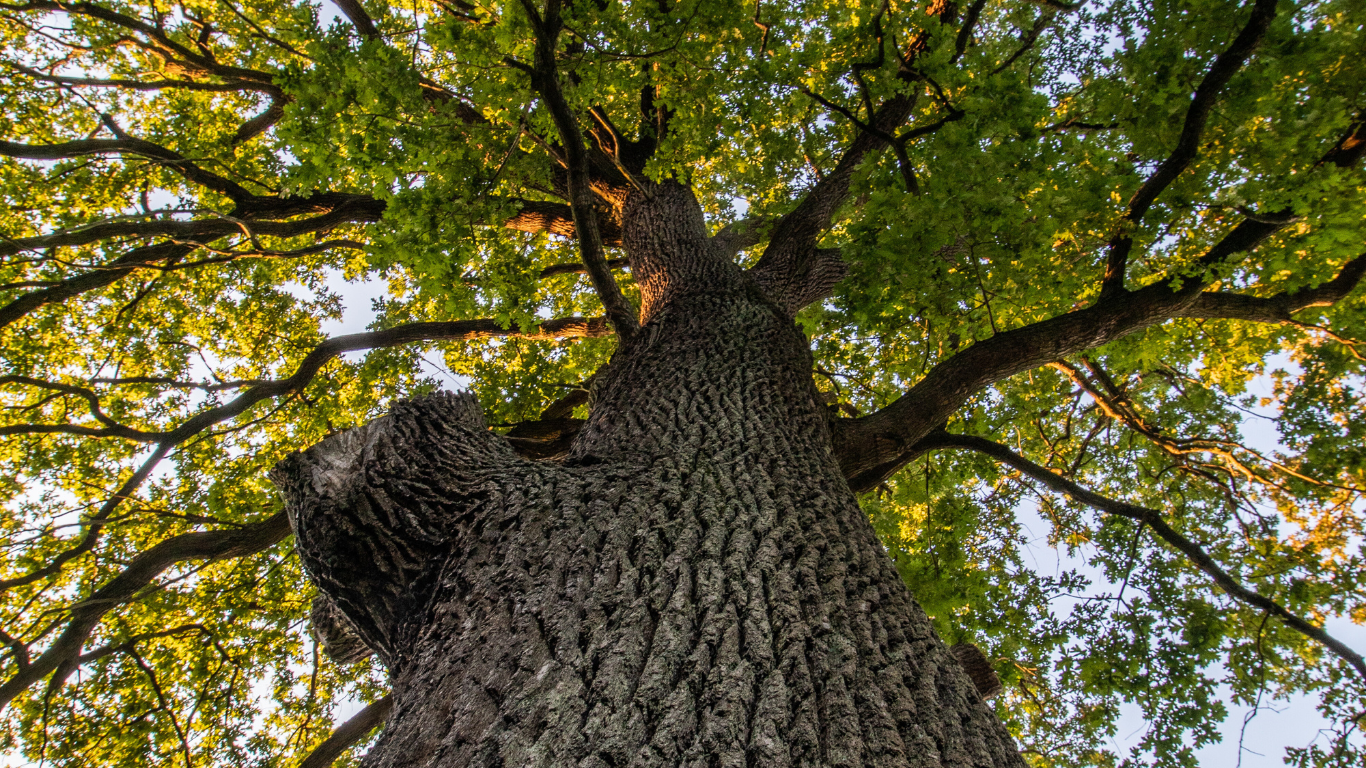
- Fast-growing hardwoods like maple, oak, and ash
- Decorative species like dogwood, crabapple, and flowering pear
- Tall evergreens that grow close to homes or power lines
Ignoring pruning for too long can lead to broken limbs, disease spread, or trees becoming top-heavy and unbalanced.
Top Benefits of Regular Tree Pruning
1. Improves Tree Health
Removing dead, diseased, or insect-infested branches prevents decay and helps redirect the tree’s energy to healthy limbs. Pruning also increases light penetration and air circulation, which can reduce the risk of fungal infections and promote healthy new growth.
In younger trees, proper pruning helps shape a strong central leader and reduces weak branch angles that could fail in the future.
2. Increases Property Safety
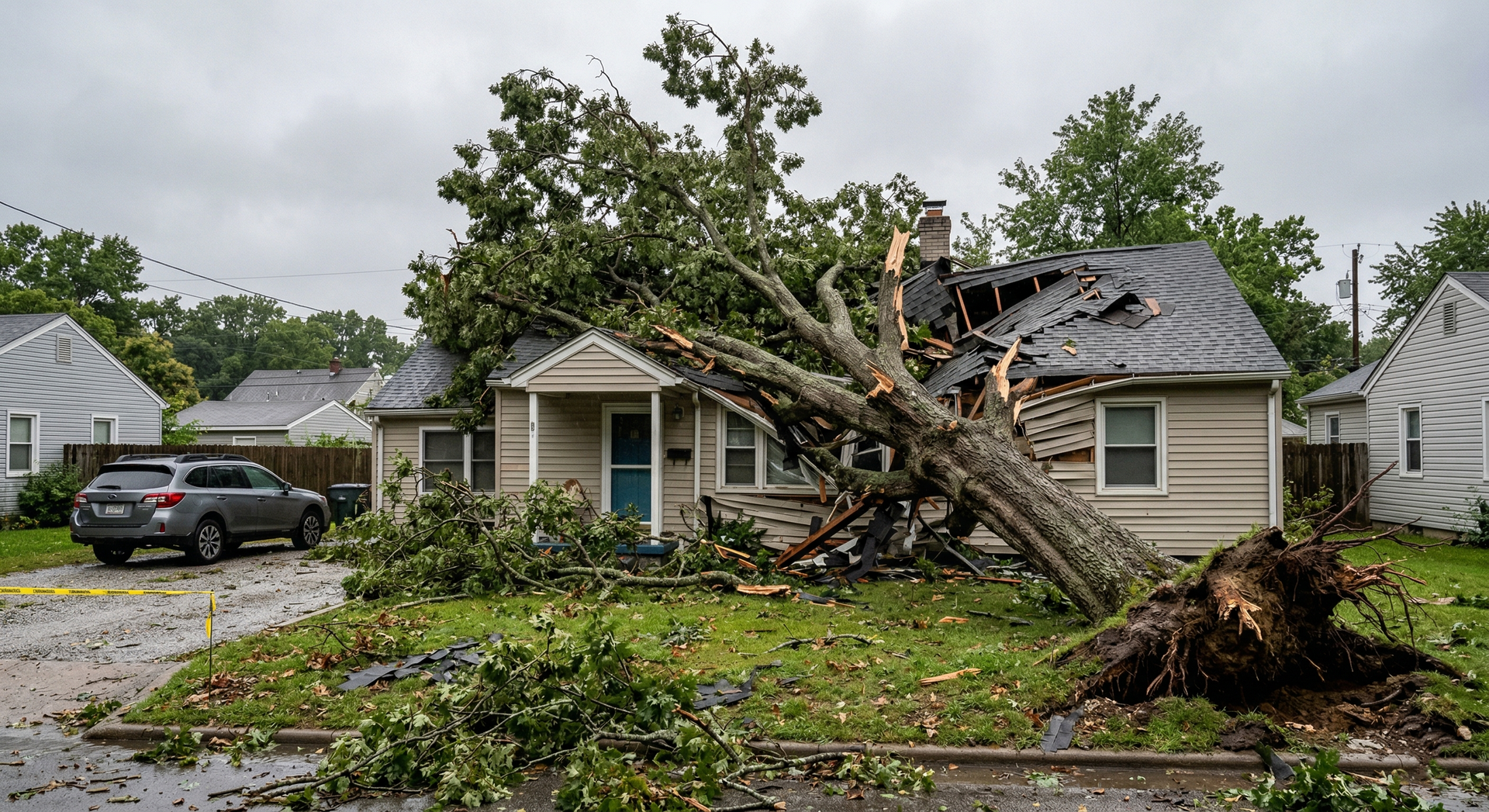
One of the most important reasons to prune your trees is safety. Overhanging or weakened branches can fall unexpectedly—especially during high winds or snowstorms—causing damage to roofs, vehicles, fences, or even posing a risk to people.
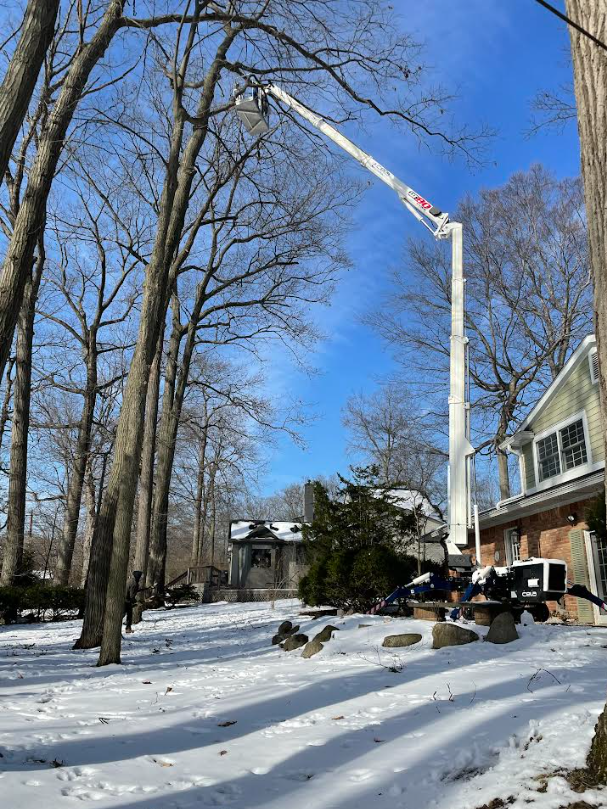
Trees close to power lines, sidewalks, or driveways should be checked regularly and pruned as needed to prevent accidents or liability.
3. Enhances Curb Appeal and Property Value
Well-maintained trees add structure, symmetry, and visual interest to your landscape. Properly shaped trees frame your home, improve first impressions, and even boost resale value. On the other hand, unkempt trees can make a property look neglected or overgrown.
Pruning can also open up views, increase sunlight to your lawn or garden, and reduce leaves or debris that accumulate around your home.
4. Encourages Fruit and Flower Production
If you have fruit-bearing trees or ornamental varieties that bloom in spring, regular pruning can improve their output. Removing non-productive branches and encouraging new growth leads to stronger blossoms and better fruit development.
Timing is important—pruning at the wrong time can reduce flowering or stunt growth—so working with a local expert ensures optimal results for Michigan’s seasonal cycles.
5. Helps Prevent Storm Damage
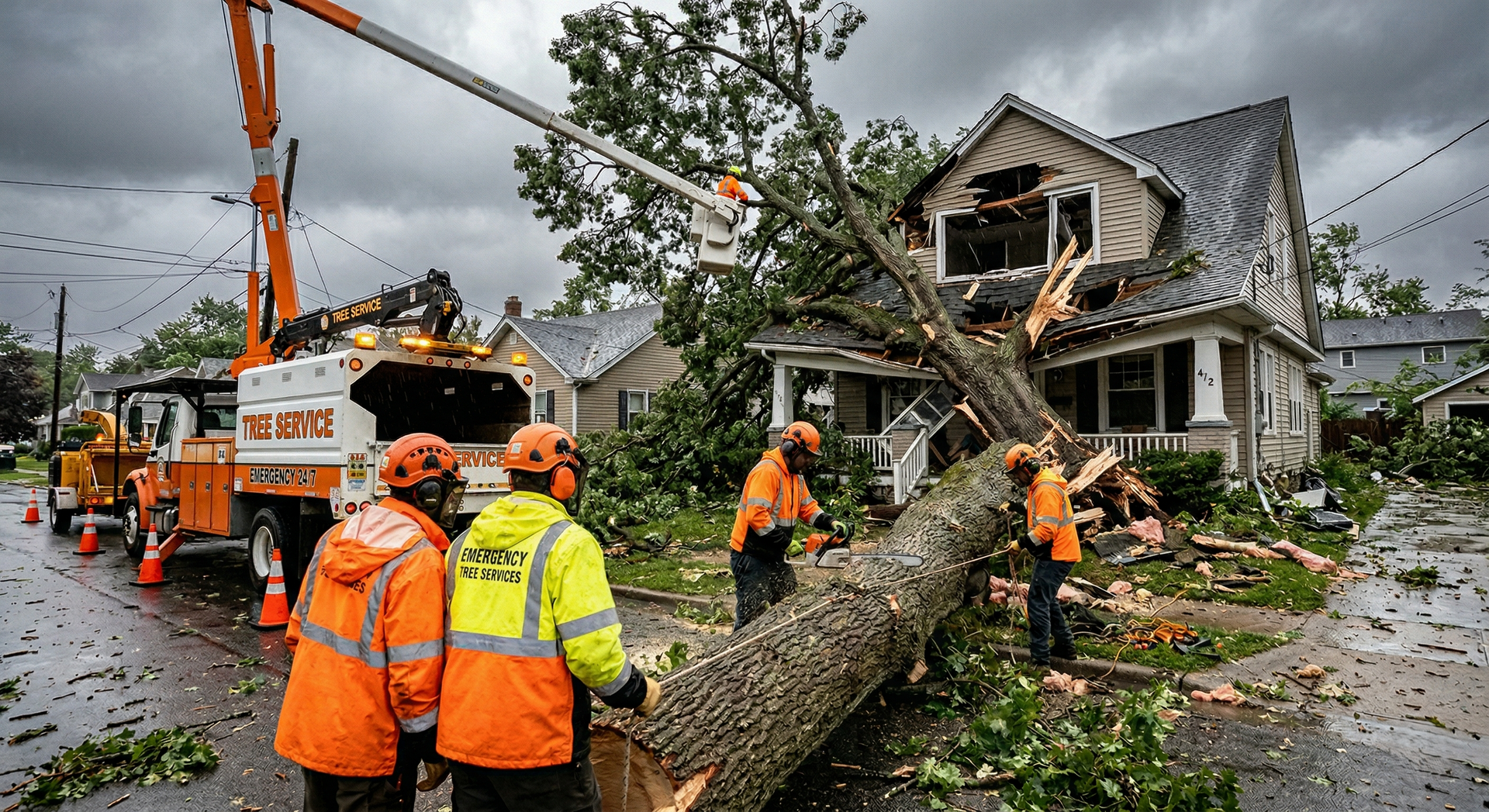
Michigan’s weather can change quickly. Ice storms, thunderstorms, and heavy winds often result in downed branches and damaged trees. Trees that are regularly pruned tend to withstand these events better than those left unmanaged.
By thinning the canopy and removing weak or dead limbs, pruning reduces the weight and wind resistance, making trees more resilient during severe weather.
6. Protects Nearby Structures and Utilities
Trees that grow too close to your house, garage, shed, or utility lines can cause issues over time. Branches rubbing against roofs, siding, or gutters can lead to wear and water intrusion. Roots can also impact foundations, driveways, and underground pipes if not properly managed.
Routine pruning creates clearance and prevents long-term damage to your property and nearby infrastructure.
When Is the Best Time to Prune Trees in Michigan?
The best time to prune trees in Michigan depends on the species and your goals. As a general rule, late winter or early spring—before new growth starts—is ideal for most tree types. Pruning during dormancy reduces stress on the tree and allows it to heal before the growing season.
Here are a few seasonal guidelines:
- Winter (late): Ideal for most trees. Encourages strong spring growth.
- Spring: Suitable for light shaping and deadwood removal.
- Summer: Good for corrective pruning and visibility improvement.
- Fall: Usually not recommended, as trees are preparing for dormancy and more susceptible to disease.
Some flowering trees should be pruned just after blooming to avoid cutting off next year’s flower buds. A tree expert can help you determine the right pruning schedule for each species on your property.
FAQs About Tree Pruning
How often should I prune my trees?
Most mature trees benefit from pruning every 2 to 3 years. Fast-growing or high-maintenance trees may need annual attention.
Can I prune trees myself?
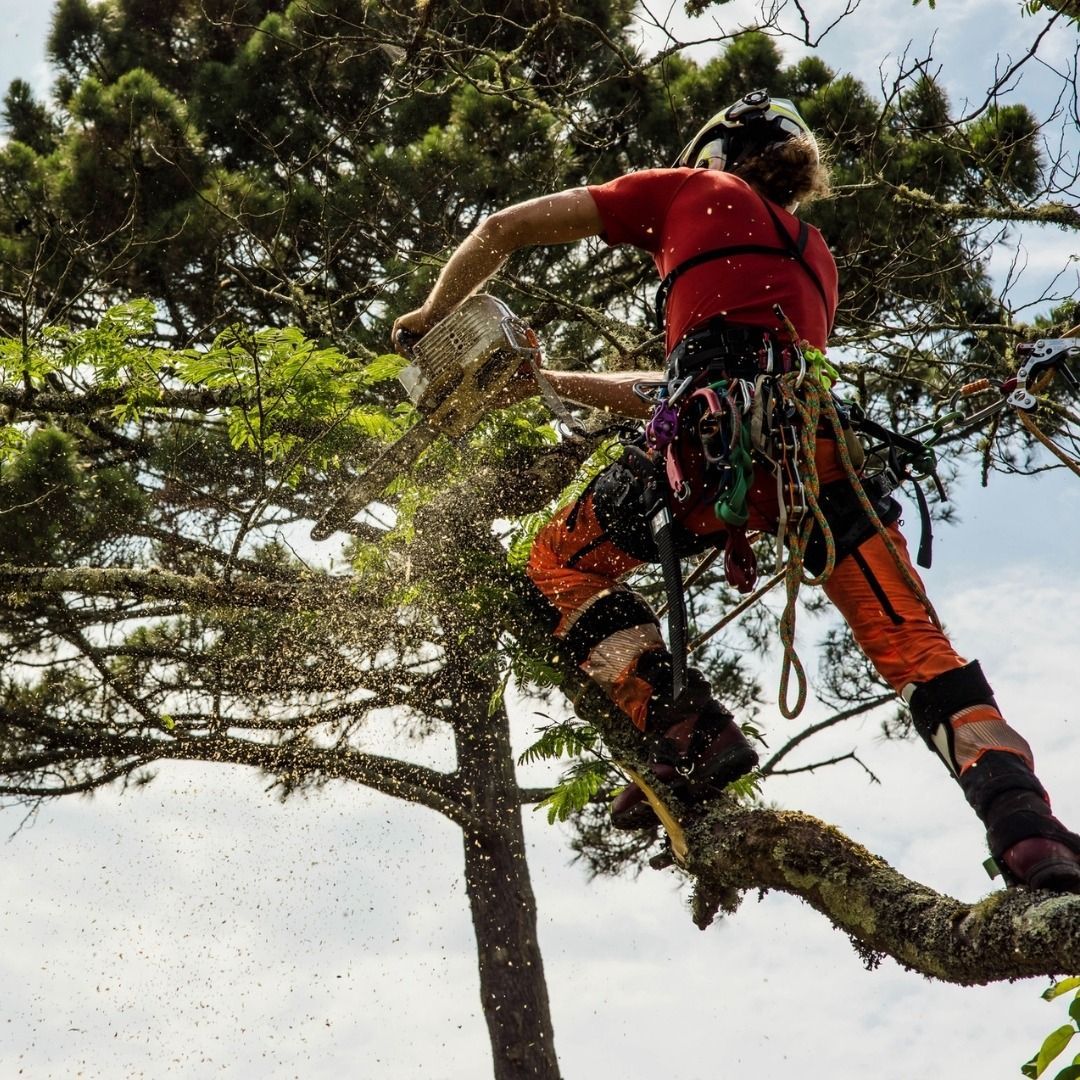
For small trees or low branches, minor pruning can be done safely with the right tools. However, larger trees or branches near power lines should always be handled by professionals.
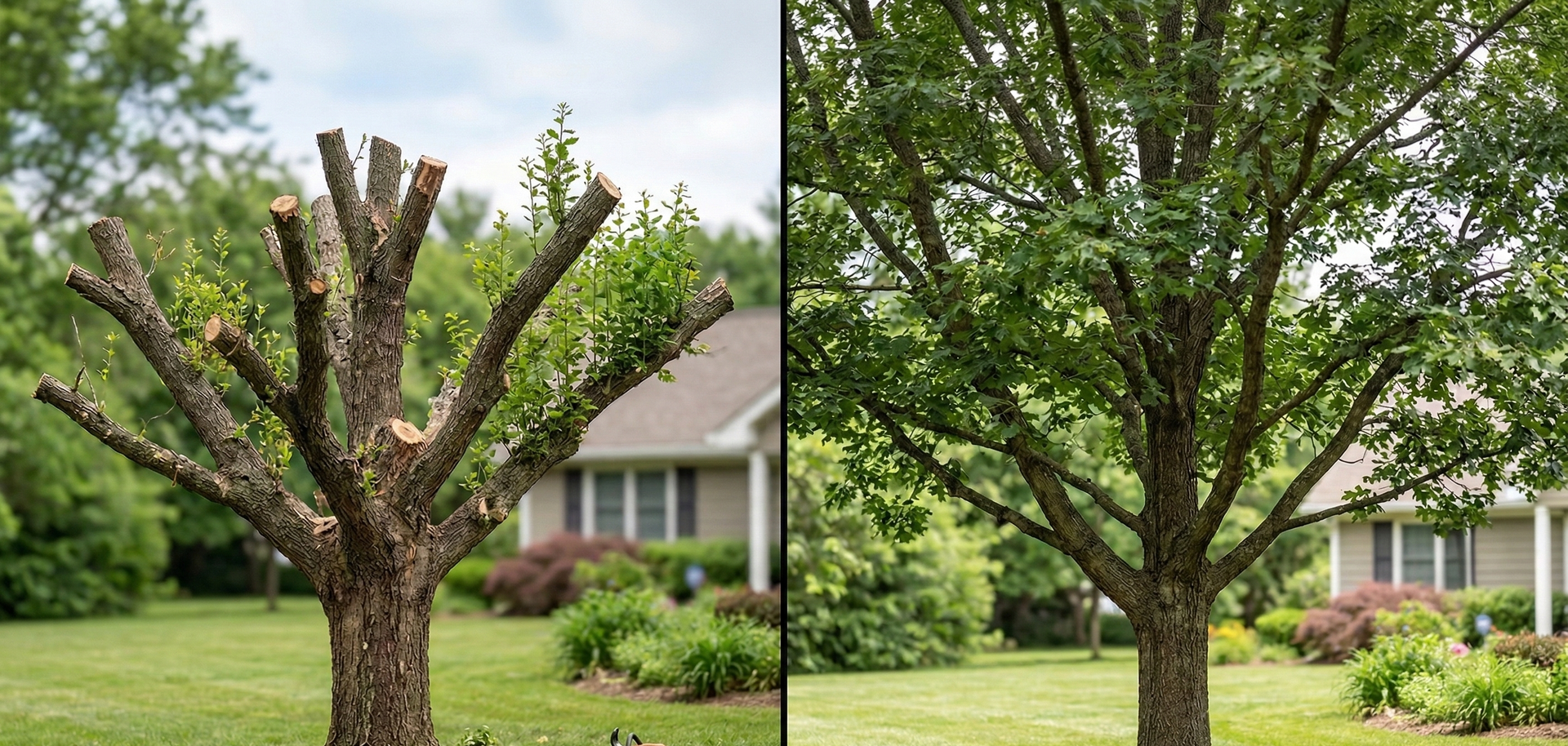
Is tree pruning the same as topping?
No. Topping is the removal of large sections of the canopy, often done improperly and considered harmful. Pruning is selective and controlled, and it promotes tree health. Spears Tree Expert Inc. does not practice tree topping.
What if my tree is near power lines?
Always call a professional. Never attempt to trim branches near utility lines yourself. Contact your utility provider or a licensed tree service for assistance.
Will pruning hurt my tree?
When done properly and at the right time, pruning is beneficial and promotes long-term tree health. Over-pruning or poor technique, however, can cause stress or vulnerability.
Call Spears Tree Expert Inc. for Professional Pruning Services
Keeping your trees healthy and attractive doesn’t happen by accident. It takes knowledge, timing, and the right tools. At Spears Tree Expert Inc., we specialize in safe, precise tree pruning services that protect your investment and enhance your landscape.
Whether you're looking to reduce storm risks, improve your yard’s appearance, or simply maintain healthy growth, we’re here to help.
Contact us today to schedule a free tree assessment in Plymouth, MI, or visit
https://spearstree.com for more information about our services.
We proudly serve homeowners throughout Plymouth, Canton, Northville, and the
The body content of your post goes here. To edit this text, click on it and delete this default text and start typing your own or paste your own from a different source.